
Arrest Warrants in Harris County
Texas Chapter 15 lays out how an arrest warrant begins. Someone swears out a complaint or affidavit, and a judge or magistrate decides whether probable cause supports it. The warrant itself commands a peace officer to bring in a named or described person and states the offense. Which court issues it depends on the charge. In Harris County, felonies generally run through the criminal district courts, with files at the District Clerk. Class A and B misdemeanors may land in one of 16 County Criminal Courts at Law. Justice and municipal judges handle many fine-only matters. Get the issuer right, because both a status check and any recall request go back to that court.
Probable Cause in Harris County
Probable cause is what a judge weighs before signing many arrest warrants. An officer or prosecutor submits a complaint or affidavit. The magistrate then decides whether the law supports the request. That supporting paper rarely appears in a public case index. Texas law also governs execution and how authority is made known. Those rules never permit resistance to service. Nor do they turn an online list into a full warrant search for Harris County. If a warrant might name you, ask the issuing court or counsel how to confirm it safely before you act. Texas Code of Criminal Procedure Chapter 15 sets out the required warrant form and its execution rules.
What a Harris County Arrest Warrant Contains
No single layout exists. Warrant papers and online case screens in Harris County differ court by court. Treat the court, cause number, offense, bond, and status as questions for the issuer. Sample entries describe fields, not any private person's warrant record.
| Warrant number | A court or agency identifier; no single public format covers every Harris County issuer. |
|---|---|
| Subject key | Name, DOB, or SPN used to distinguish a record; a name alone may be ambiguous. |
| Charge | Offense stated in the process or linked case. |
| Issuing court | Judge or magistrate and the court file that controls the order. |
| Bond | Case-specific amount or hold, confirmed with the court or Bonding Desk. |
| Issue/status | Ask whether active, served, recalled, sealed, or awaiting agency update. |
Harris County Arrest-Warrant Records Have Limits
Harris County warrant records have real limits. The HCSO public search covers a defined misdemeanor subset, and a District Clerk result can locate a criminal file without being an active-warrant roster. Juvenile, sealed, investigative, and newly issued materials may be restricted or not yet visible. Access also turns on who holds the record. The Texas Public Information Act applies to covered agency records, while judicial records run through Rule 12 and other court rules, and some arrest-warrant affidavits sit outside general Rule 12 access when another law or order controls. Texas Rule of Judicial Administration 12 states the court-record access policy and its exceptions.
How Harris County Arrest Warrants Are Served
HCSO keeps the county criminal warrant files. HPD may serve criminal warrants inside Houston, while constables, city police, marshals, and other peace officers handle process tied to their own court and jurisdiction. HPD policy calls for coordinating outside-city service with the responsible agency. After an arrest come booking and magistration. Bond or personal-bond eligibility depends on the charge and judicial review. A city municipal warrant may still need city-court action even when booking happens at the county Joint Processing Center.
HCSO and HPD Serve Different Warrants
Call the right office first. HCSO's Criminal Warrants Division answers county-file questions at 713-755-6055. HPD's public-information page splits Houston city warrant verification, at 713-837-0311 or 311, from county warrants at 713-755-6055. Keep in mind that the agency serving a warrant is not always the court that issued it. For a Houston matter, find out whether the notice names Houston Municipal Court, a Harris County court, or another issuer, since HPD's policy covers execution inside city limits and coordination beyond them. Ask the issuer where a surrender or walk-through should occur. HPD's warrant-service procedure details the city limits and each agency's role.
Arrest Warrant vs Summons vs Bench Warrant
An arrest warrant tells an officer to take someone into custody. A summons simply directs the person to appear. A bench warrant, often an FTA warrant, follows a missed court duty. Read the court notice closely and ask what action the issuing judge expects. More on Harris County bench warrants covers the lower-court failure-to-appear route.
| Feature | Arrest Warrant | Summons | Bench Warrant |
|---|---|---|---|
| What it orders | Arrest and appearance before a court | Appear on the stated date | Arrest after a missed obligation |
| Basis | Complaint and probable-cause review | Notice to appear | Failure to appear or comply |
| Who issues it | Judge or magistrate | Court or authorized officer | Issuing judge |
| How to respond | Confirm, counsel, bond, or appearance | Attend on time | Contact court about recall or reset |
Confirm the Harris County Issuer Before Acting
Pin down the issuer first. A charge might involve HCSO, Houston Police, a constable, a municipal marshal, or another peace officer, but the issuing judge or court controls the warrant. Use the cause number and court name to find the docket. Then ask the serving agency about its own file. A phone answer from one office never clears a different court's process. For its Harris County records, HCSO Criminal Warrants is 713-755-6055. Houston city warrant routing uses 311 or 713-837-0311, and Houston Municipal Court is 713-247-5479. Confirm the jurisdiction and the next step before you travel or post bond.
What to Do If There's a Warrant for You
Before you book anything, verify the case with HCSO or the issuing court in Harris County. Ask plainly: what is the charge, which court holds it, what bond or hold applies now, and where surrender happens. Ask too whether your lawyer can seek a recall, a reset, or a walk-through. HCSO names three routes: cash, a licensed surety, or surrender with a request for personal bond. Release rests with the magistrate or court, not the jail. The Bonding Desk at 700 N. San Jacinto stays open 24 hours for bond and surrender logistics. That desk will not clear a city, JP, family, or federal warrant. Keep every written order or receipt from Harris County, and ask when the serving agency will get the recall.
Important: Talk with a Texas attorney and verify the issuing court's current instructions before choosing a surrender, bond, or motion route.
Federal Warrants Need a Separate Search
Federal warrants show up nowhere in the HCSO misdemeanor list, the JP portal, or Texas OmniBase. Harris County sits inside the Southern District of Texas, Houston Division. That means a separate search entirely. The Southern District's Houston Division page gives the federal courthouse location and its public access details. For docket access, the PACER service site is the federal portal. Treat it as a records tool, not a warrant list. Sealed matters may never appear there at all. A blank Harris County result tells you nothing about a federal case. If a federal warrant is your worry, call the federal clerk, your counsel, or the U.S. Marshals route directly.
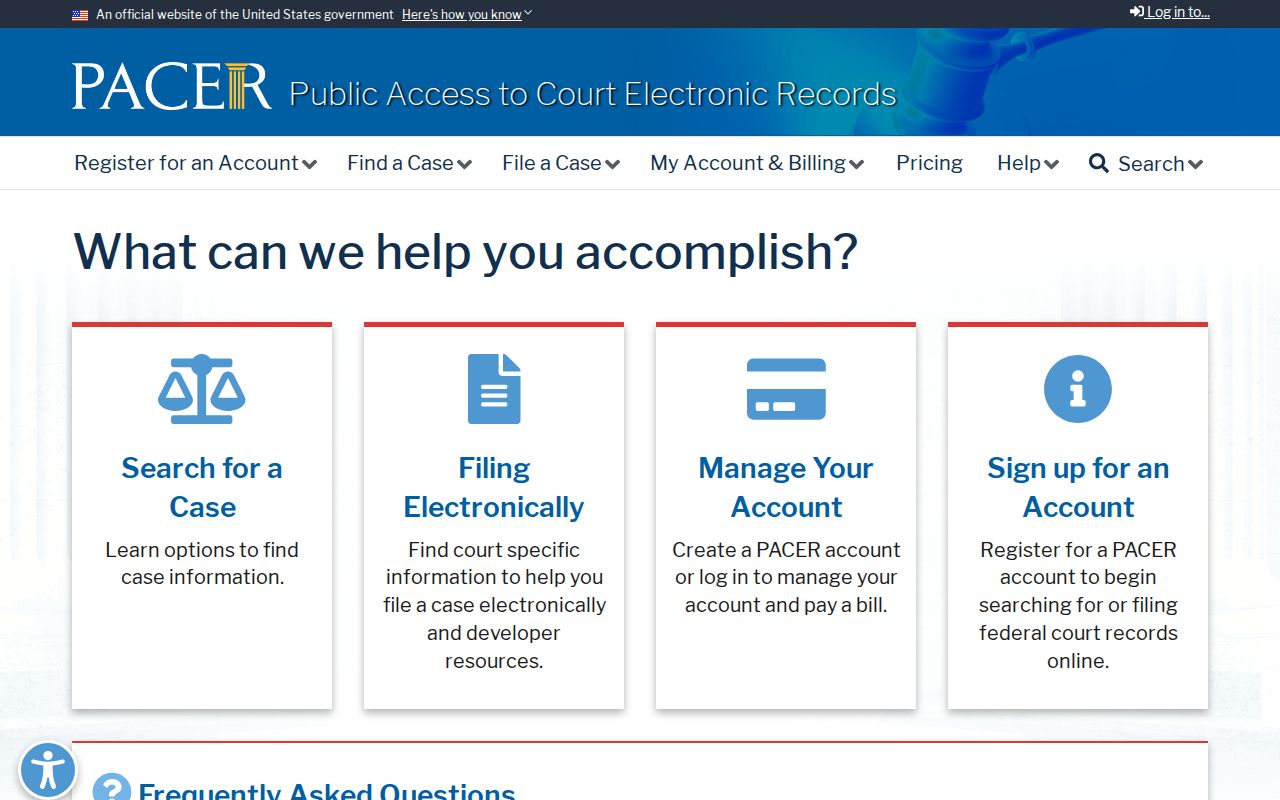
PACER opens dockets, not a public roster of every active warrant. Its costs are spelled out on PACER's fee page, covering page charges, the document cap, and the quarterly waiver threshold. State records run on a different track in Harris County; the Texas Judicial Branch open-records policy maps that separate route.
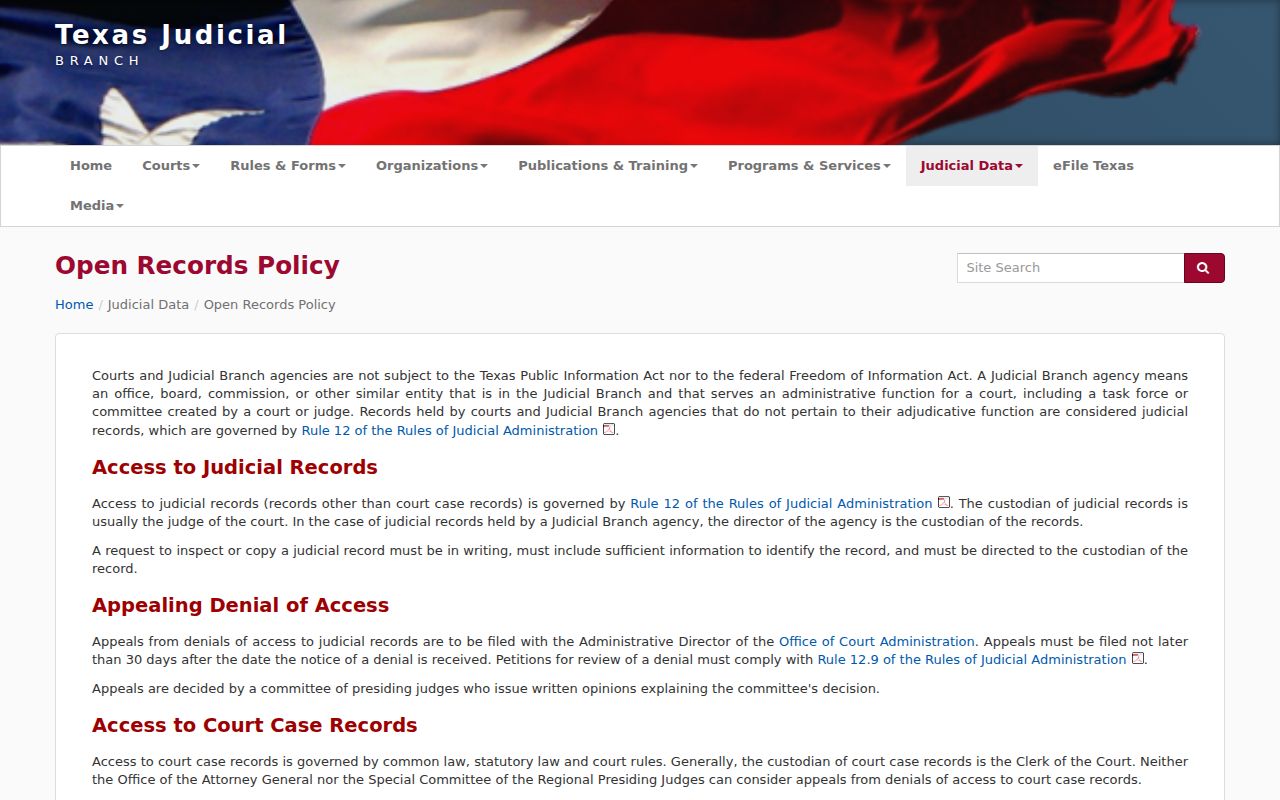
State judicial records follow their own access rules in Harris County, apart from federal docket tools. For the federal side, the U.S. Marshals district directory lists the Southern District of Texas office.